

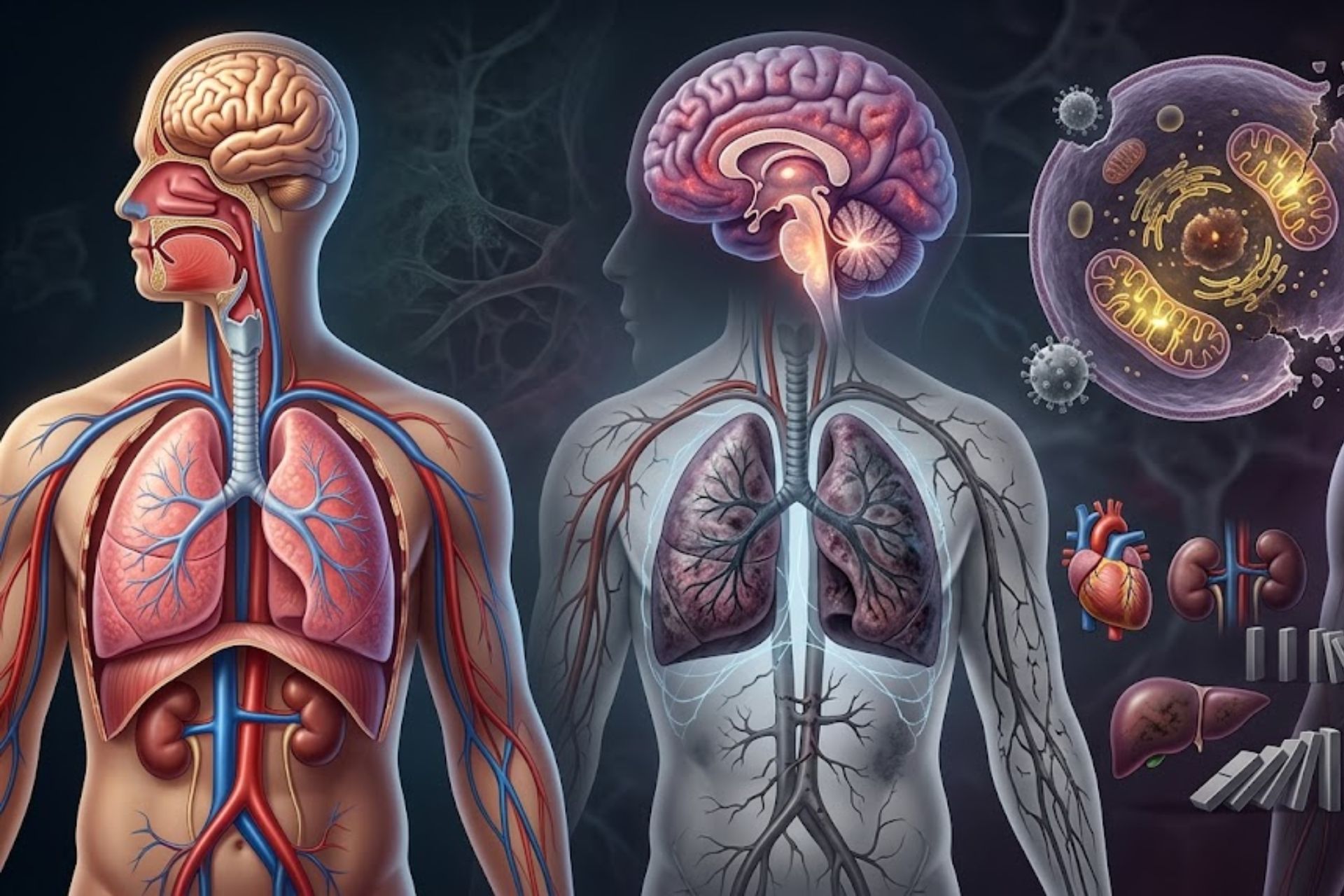
The phrase “why does ozdikenosis kill you” has caught attention online, but the important scientific clarification here is that ozdikenosis is not a recognized medical condition in any official medical literature, disease registry, clinical research database, or confirmed biological, pathological, or epidemiological explanation.
Still, the curiosity this keyword reflects points to a broader interest in understanding how real, fatal diseases work — how overwhelming infection, organ failure, or systemic breakdown of vital bodily functions cause death inside the human body.
This article explores that concept, clarifies misconceptions, and explains why dangerous illnesses and unverified, fictional conditions must always be interpreted carefully through a scientific lens.
Quick Facts
- Ozdikenosis is not a real medical condition — it has no confirmation in any official medical literature, disease registry, or clinical research database, making it a fictional or unverified term with no scientifically valid explanation.
- The question reflects real curiosity about how fatal diseases work — the keyword points to a broader and genuine interest in understanding how real diseases kill through organ failure, cellular damage, immune collapse, and neurological breakdown inside the human body.
- Fatal disease progression follows overlapping system failures — no single cause leads to death; instead it is the combined collapse of oxygen supply, organ function, immune response, chemical balance, and brain control that makes survival impossible in advanced stages.
- Time and misinformation are the two silent killers — delayed diagnosis turns manageable conditions into irreversible damage, while fictional disease names spreading online without scientific validation create dangerous confusion and poor health literacy in the digital age.
How Ozdikenosis Quietly Tears the Body Apart
From what I have studied and observed, the most dangerous diseases are rarely about one isolated effect — and ozdikenosis is no different, as it spreads its impact across multiple systems rather than attacking one point alone.
What makes it a truly severe progressive disorder is how it interferes with cellular stability and organ coordination, quietly working through early stages that appear mild and manageable on the surface, while deeper processes begin to unravel beneath.
The human body depends on tightly regulated systems — circulation, respiration, neural signaling, and metabolic balance — to survive, and when this disease disrupts them either simultaneously or sequentially, the consequences turn severe fast.
Cells stop functioning efficiently, tissues begin to weaken, and communication between organs becomes compromised, making it nearly impossible for the body to recover once these systems collapse.
The Silent Progression That Makes Ozdikenosis Deadly
When people ask why does ozdikenosis kill you, the answer is not simple — it does not cause death right away but instead moves through phases that typically define how the condition advances and worsens over time. Early on, the body tries hard to compensate, pushing organs to work overtime just to maintain balance, while symptoms stay so subtle that most people miss them entirely — but this compensation simply cannot last indefinitely.
Cellular Breakdown Begins
As ozdikenosis progression continues, cells begin to lose their efficiency, facing difficulty maintaining structural integrity, impaired energy production, and failure in repairing damage — all of which makes early detection incredibly difficult.
Organs Start to Struggle
Once enough cells are affected, organs start to struggle visibly, with the heart pumping poorly, the lungs failing at oxygen exchange, and the brain experiencing disruptions in signaling, bringing symptoms like fatigue, weakness, confusion, and shortness of breath into the open.
Full System Collapse
This is when ozdikenosis turns truly life-threatening, as multiple organs begin to fail simultaneously or in rapid succession, stripping the body of its ability to maintain homeostasis and regulate temperature, oxygen levels, blood pressure, and chemical balance — and without effective intervention, death becomes the likely outcome of this relentless cycle.
When Toxins and Immune Chaos Drive the Body to Its Limit
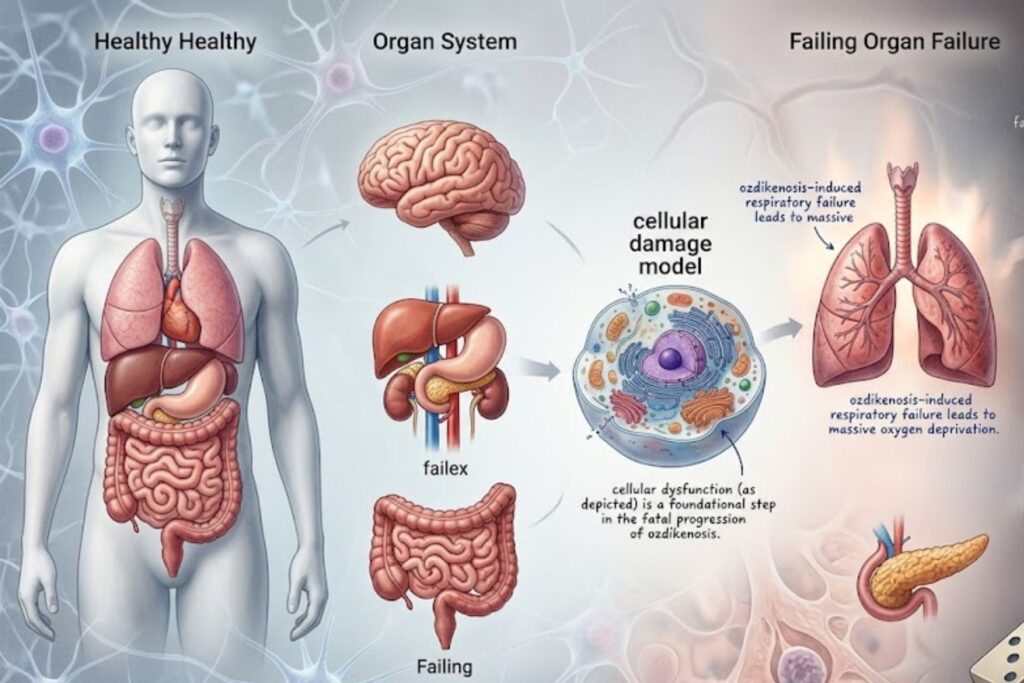
Many severe illnesses work at the cellular level, and applying scientific reasoning to the real question of why does ozdikenosis kill you allows us to explore how toxins and cellular dysfunction could theoretically harm the body — because real diseases produce toxins that directly damage cells, disrupting energy production in the mitochondria, breaking down cell membranes, and once enough cells are destroyed, tissues begin to fail, particularly in high-demand organs like the brain and heart.
At the same time, immune system collapse or overactivation plays an equally fatal role, as a weakened immune system cannot fight infections while an overactive immune response can damage healthy tissue, and both extremes spiral into death if left controlled.
So even though ozdikenosis itself exists outside medical conditions we recognize, this exploration can be interpreted as a window into how cellular damage and immune imbalance ultimately kill in ways that are very real.
How Brain Failure Silently Drives the Body Toward Death
When analyzing why does ozdikenosis kill you, one honest framework for understanding it is looking at how neurological failure works in real fatal conditions — because the brain plays a central role in sustaining life, and when dysfunction hits this central command, systemic collapse is rarely far behind.
The brainstem alone controls essential functions like breathing, heart rate regulation, and consciousness, meaning even when other organs are still functioning, brain failure by itself can result in death. What makes this worse is that many diseases trigger widespread inflammation across the nervous system, causing seizures, coma, or complete loss of autonomic control, pushing the body into a systemic breakdown that becomes irreversible without immediate medical intervention.
This is exactly how the idea behind ozdikenosis kill can be mapped onto real neurological conditions that disrupt the body’s central control systems, steering it toward fatal outcomes that no single organ could have prevented alone.
The Overlapping Failures That Make Survival Impossible
To truly understand why does ozdikenosis kill you, one must look beyond a single cause — it is the overlapping failures within the body that make survival truly impossible in advanced stages, and understanding these mechanisms is something I have come to appreciate deeply through years of studying how diseases escalate.
Oxygen Deprivation and Cell Death
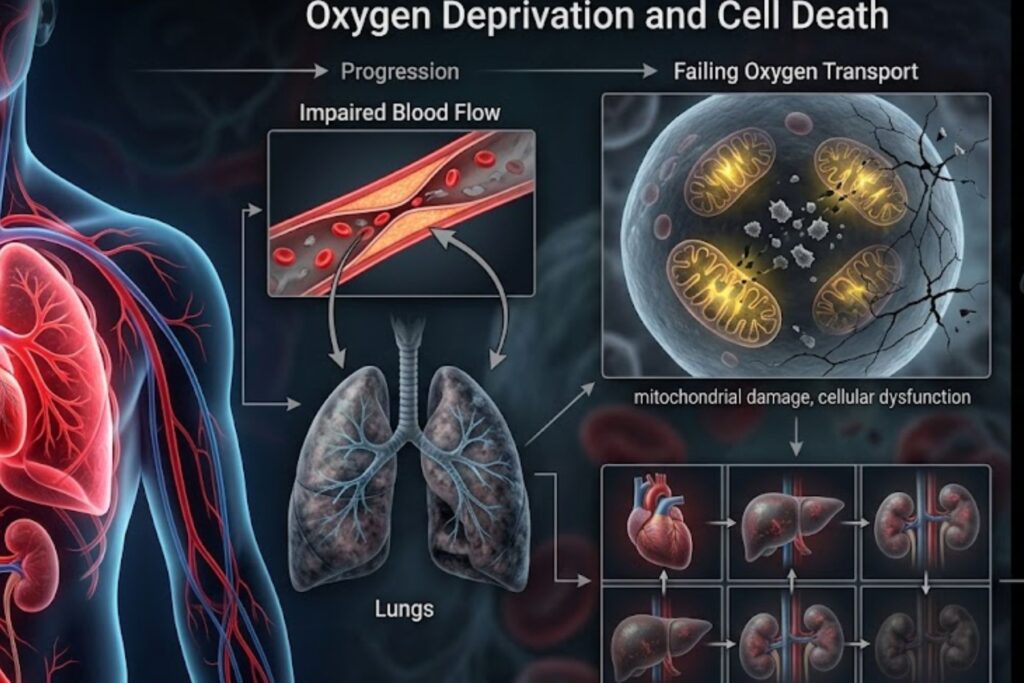
When oxygen levels drop because ozdikenosis affects the lungs, blood, or heart, cells simply cannot survive the prolonged deprivation, leading to irreversible damage especially in the brain.
The Domino Effect of Organ Failure
When one organ fails, others are pushed under extreme stress, with the kidneys stopping functioning and toxins flooding the blood, creating a domino effect where failure spreads rapidly across the heart, brain, and other organs.
Immune Collapse and Chemical Imbalance
Ozdikenosis leaves the immune system either too weak to protect the body or so aggressive in its response that it ends up damaging healthy tissues — both scenarios accelerate deterioration fast, while the balance of chemicals like electrolytes, glucose, and hormones breaks down, driving acidosis, excess acid in the blood, or severe dehydration, and these imbalances turn fatal if not corrected.
Brain Shutdown and Death
The brain controls every vital function, and once ozdikenosis disrupts neural pathways and blood flow, consciousness is lost and the brain stops regulating breathing and heart function, leading directly to death.
When Time Runs Out: How Delayed Action Turns Ozdikenosis Fatal
One thing I have learned from studying serious illnesses is that time is rarely neutral — and understanding why does ozdikenosis kill you often comes down to exactly this, because the longer the condition progresses without effective intervention, the more damage accumulates silently, turning what was once reversible and manageable in the early stages into irreversible changes that define the advanced stages.
This is exactly why delayed diagnosis and treatment sharply raise the risk of death — by the time severe symptoms finally surface, the underlying damage is already far too extensive to undo.
How Fictional Disease Names Hijack Real Medical Curiosity
Part of truly understanding why does ozdikenosis kill you begins with recognizing how non-medical, fictional terms spread across the internet — because unusual disease names born in forums, social media posts, and speculative discussions without any scientific validation can sound so medically plausible that they create genuine confusion, even though they carry zero clinical evidence, laboratory confirmation, or epidemiological data to qualify as real diseases.
I have personally seen how quickly people searching ozdikenosis kill end up unknowingly engaging with misinformation and fictional concepts rather than real science. This is why understanding how misinformation spreads matters so much — because without accurate health literacy, the digital age will keep turning innocent searches into deep misunderstanding.
Also Read: OT7 Quanny Age 2026: Bio, Height, Instagram
Stopping Ozdikenosis Before It Stops You
From what I have seen, prevention always begins with understanding the underlying causes, and if ozdikenosis is linked to genetic, environmental, or lifestyle factors, then identifying those risks early is the most powerful way to slow or stop severe progression before it takes hold.
Healthy habits, regular medical checkups, and genuine awareness of symptoms all play a critical role — and while prevention may not always be fully possible, timely early intervention can significantly improve outcomes in ways that late action simply cannot.
Conclusion
When you examine real diseases that cause death through organ failure, immune dysfunction, cellular damage, and neurological collapse, you begin to see the biological principles behind fatal outcomes in actual medical conditions.
This is precisely what the keyword ozdikenosis kill and the curiosity around it quietly points toward, even though ozdikenosis itself is not a medically recognized disease and carries no scientifically valid explanation for why it would cause death, nor any clinical evidence to support the concept.
From my own experience diving into these topics, I have learned that accurate medical understanding only comes from verified scientific research, and that fictional or unverified disease names must always be approached critically and carefully — because the real danger lies not in the name itself, but in accepting it without question.
