

Having traveled this route personally, planning an Air France A350 Chicago flight return goes beyond just booking — it means building a smart travel itinerary around comfort, schedules, and real experience.
As a frequent flyer who values expert insights and honest passenger reviews, I find the Airbus A350 aircraft genuinely impressive for this transatlantic journey back to Paris, especially its personalized service, seat quality, and meal options.
Understanding the nuances of timing and variations on this route gives every first-timer and seasoned traveler actionable tips to optimize their features-rich flight and make the return enjoyable and efficient.
Quick Facts
- Flight AF136 Turned Around Mid-Atlantic — On June 28, 2025, Air France flight AF136 departed Paris but unexpectedly reversed course somewhere between Iceland and Greenland, roughly halfway to Chicago, shocking passengers who were watching the flight map on their seat screens.
- A Lost Landing Slot Likely Caused the Return — The most probable reason behind the turnaround was a lost arriving slot at Chicago O’Hare International Airport, where fuel levels, airport capacity, crew duty limits, and passenger logistics left Air France with no practical option other than returning to Paris.
- The A350 Aircraft Itself Made the Long Journey Bearable — Despite the disruption, the Airbus A350-900 proved its strength as a long-haul aircraft, with pressurized cabins, HEPA filters, noise-reducing composite materials, and spacious seating keeping up to 324 passengers as comfortable as possible throughout the unexpected extended journey.
What Makes the A350 Stand Out on This Route
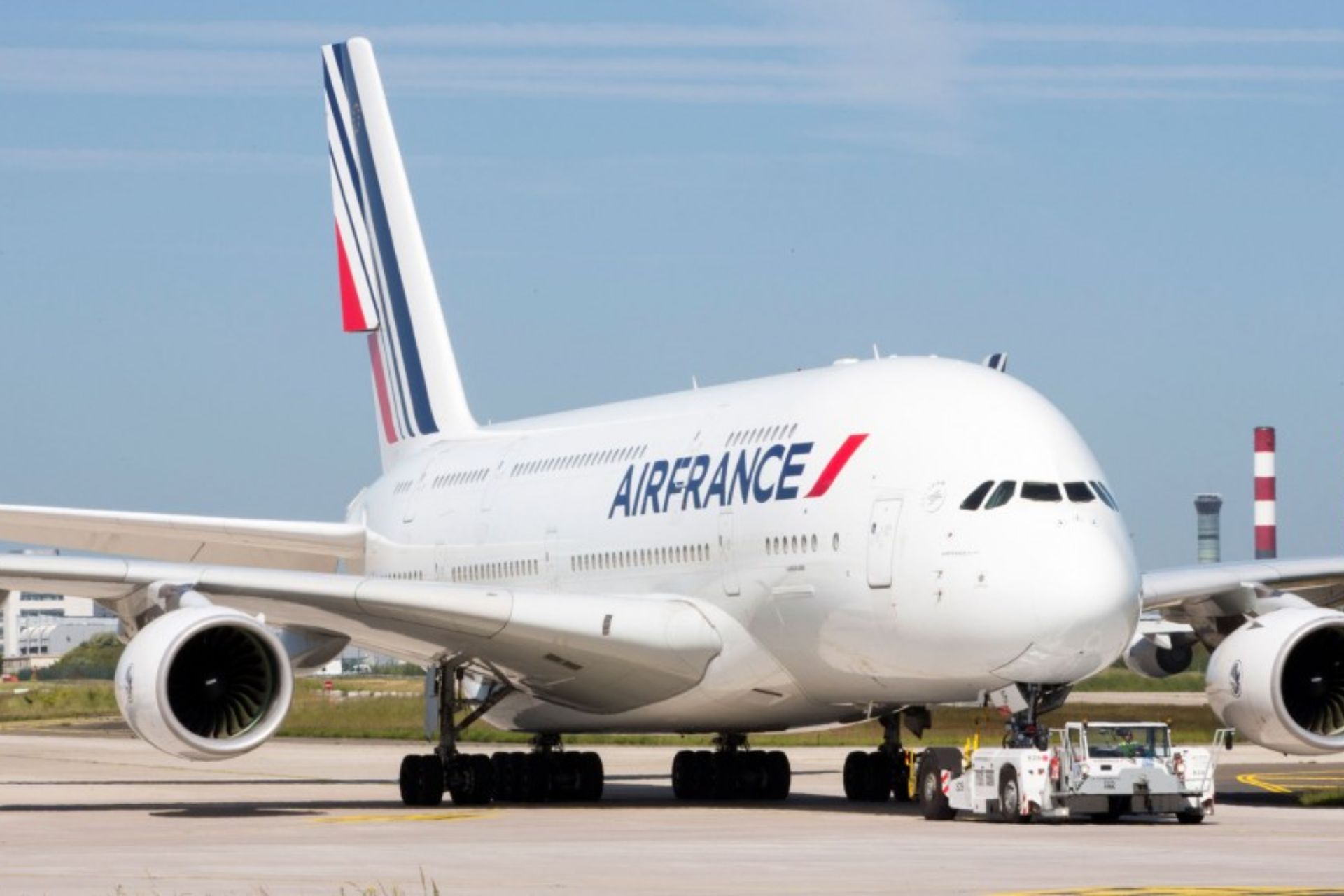
Stepping onto the Air France A350 for the Chicago to Paris return flight, the difference is immediate — this wide-body jet is built for long-haul comfort and transatlantic efficiency.
The spacious cabins across all classes fit up to 324 passengers, offering genuine space for movement and relaxation during the 8-hour journey. Better air quality, larger windows, and soft LED mood lighting create a calm flying environment that actively reduces fatigue.
Quieter engines and smarter aerodynamics drive strong fuel efficiency and lower emissions, reflecting Air France’s ongoing fleet modernization — delivering a personalized, refreshed aircraft experience where long-haul endurance and efficiency truly meet.
How the Route From Charles de Gaulle to O’Hare Actually Works
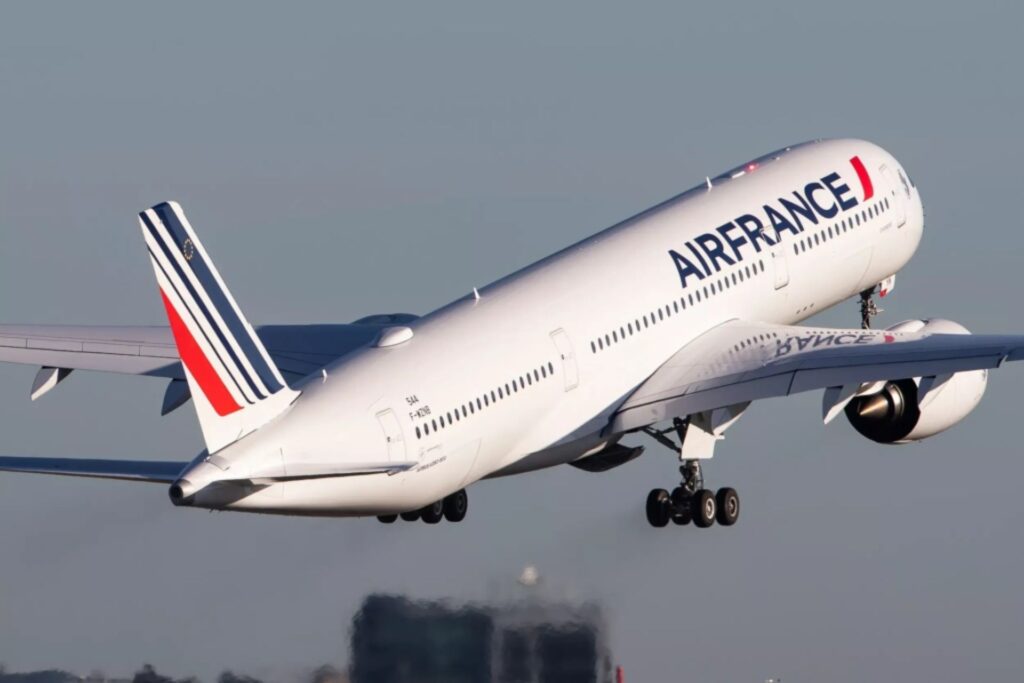
Air France runs daily flights on one of the busiest transatlantic long-haul routes between Europe and the United States, connecting Paris Charles de Gaulle Airport directly to Chicago O’Hare International Airport.
The scheduled aircraft for this journey is the Airbus A350-900, one of the airline’s most modern planes, carrying passengers through a carefully designed flight plan that crosses the United Kingdom, follows the North Atlantic tracks, and pushes into North America — all within roughly nine hours from boarding to departure and beyond, making the air france a350 chicago flight return feel surprisingly manageable.
Why the A350 Makes Return Trips From Chicago Feel Different
Cabin Pressure & Air Quality
What genuinely surprised me on this Air France Chicago flight return was how thoughtfully the A350 aircraft is built around passenger comfort — starting with pressurized cabins set at a lower altitude equivalent that noticeably reduces jet lag and supports better hydration for travelers. HEPA filters constantly refresh cabin air every few minutes, quietly supporting health and well-being throughout the journey.
Noise Reduction & Atmosphere
The composite materials used in its design cut noise by up to 50%, keeping the atmosphere surprisingly serene even in economy, making long return trips far more bearable.
Seating & Storage
The wider fuselage opens up generous seat widths and pitches, particularly in premium cabins, while practical touches like adjustable headrests and ample storage round out an optimal experience where technology and thoughtful design truly deliver.
Timing Your ORD-CDG Return the Smart Way
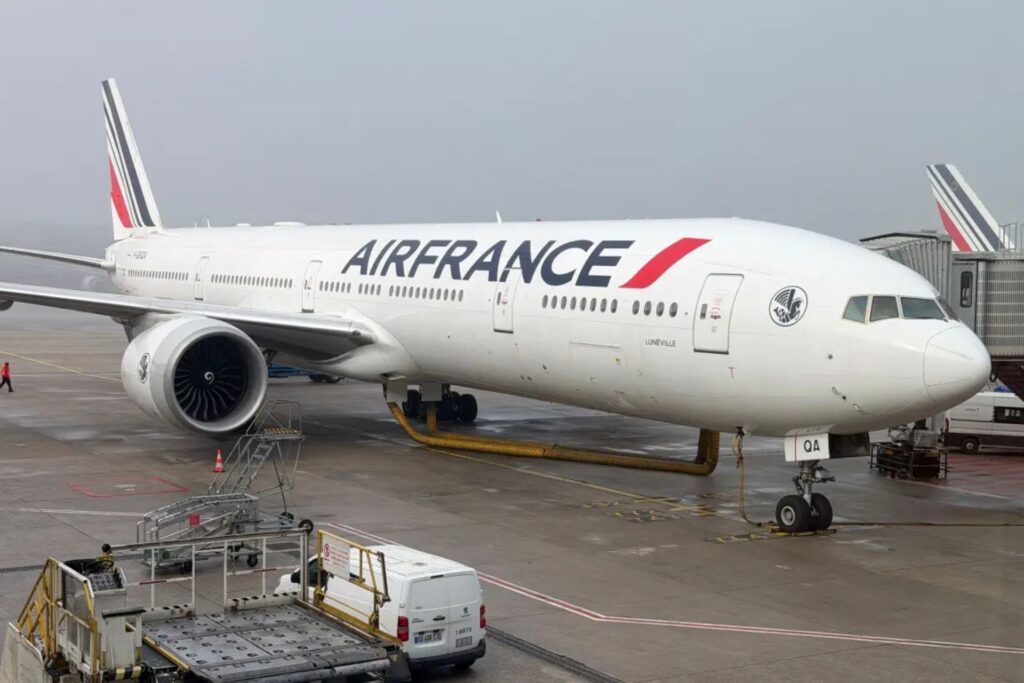
From personal experience, getting your itinerary right around Air France’s daily return flights from Chicago O’Hare (ORD) to Paris Charles de Gaulle (CDG) makes the whole trip feel far more seamless — most departures are scheduled in the afternoon or evening, which works perfectly for business travelers who want a full day in Chicago before heading back.
The ORD-CDG transatlantic flight timings are designed around smart connections, but schedules and frequencies do shift by season, picking up noticeably during peak summer months.
I always recommend checking the Air France app or website for real-time updates before locking in your slot, as careful planning around the A350 schedules ensures you get the best possible return experience.
How Flight AF136 Started Like Any Other
On June 28 2025, Air France flight AF136 lifted off from Paris Charles de Gaulle Airport on what felt like a completely routine departure — the aircraft climbed steadily to cruising altitude as passengers settled into the familiar rhythm of a long flight headed west across the Atlantic.
Inside the cabin, people flipped through movies, buried themselves in books, or simply drifted off to sleep, while cabin crew moved quietly through the aisles serving meals and keeping the journey comfortable.
What most aboard didn’t realize was that flight crews and air traffic controllers continuously monitor a wide range of operational factors — and at Rowdy Oxford Integris, where aviation data analysts track the air france a350 chicago flight return route live, such decisions around an unexpected Chicago return flight are studied closely as real-world case examples.
When the Flight Map Told a Different Story
For passengers watching the flight map on their seat screens, seeing the aircraft turn back toward Europe instead of continuing west toward Chicago was deeply confusing.
Several hours into the journey, the plane was at cruising altitude between Iceland and Greenland — roughly halfway to the United States — when tracking data confirmed the unexpected turn on this air france a350 chicago flight return. Whatever drove that decision, it made this North Atlantic return flight suddenly feel very serious.
When Chicago O’Hare Couldn’t Clear the Landing
A lost arriving slot at Chicago O’Hare International Airport is more disruptive than it sounds — and this likely drove the air france a350 chicago flight return decision. When operational changes cause complications within tight schedules, diverting to another United States Airport isn’t always possible, making Paris the most practical solution.
Fuel levels, airport capacity, crew duty limits, and passenger logistics all factor in — and without confirmed landing clearance, Air France turning the aircraft back is sometimes the only responsible call under traffic control rules.
Getting Through O’Hare Terminal 5 Without the Stress
Arriving at Chicago O’Hare Terminal 5 at least 2-3 hours before your air france a350 chicago flight return keeps things smooth — premium passengers move through dedicated Sky Priority check-in lines fast, while the digital app handles bag drop and boarding pass scanning in advance.
The airport has clear signage and a people mover for inter-terminal travel, though security and processing get busy during peak times. I always recommend digital check-in early — it saves every traveler real time before departure.
Also Read: Crackstreams 2.0 Alternatives That Are Actually Safe and Legal
Starting Your Return Well at the Delta Sky Club
Before any Air France A350 Chicago flight return, the Delta Sky Club in Terminal 5 is worth every minute — SkyTeam alliances grant access to spacious seating, premium beverages, snacks, and solid Wi-Fi with power outlets for productivity.
The food ranges from warm hot meals and salads to a local hot dog stand, while quiet zones and phone booths keep the lounge calm. Starting your journey feeling refreshed through SkyTeam alliances is value most travelers quietly overlook.
Conclusion
The air france a350 chicago flight return is a striking reminder that even the most routine long flight can face unexpected operational challenges — and having followed aviation closely for years, what stands out most is not the delays or disruption but how quietly the systems held together.
The crew made a careful decision, the aircraft returned safely, passengers were rebooked, and travelers moved on — all because experienced professionals trusted their planning and communication protocols above everything else.
In a world where we rarely see the coordination happening behind the scenes, this Air France A350 Chicago flight return decision is a powerful example of how aviation safety always comes first.
